Planning Your Visit to Bakewell
Peak District National Park, Gulliver's Kingdom and more: the attractions, the days out and how to plan your visit.
Peak District National Park, Gulliver's Kingdom and more: the attractions, the days out and how to plan your visit.
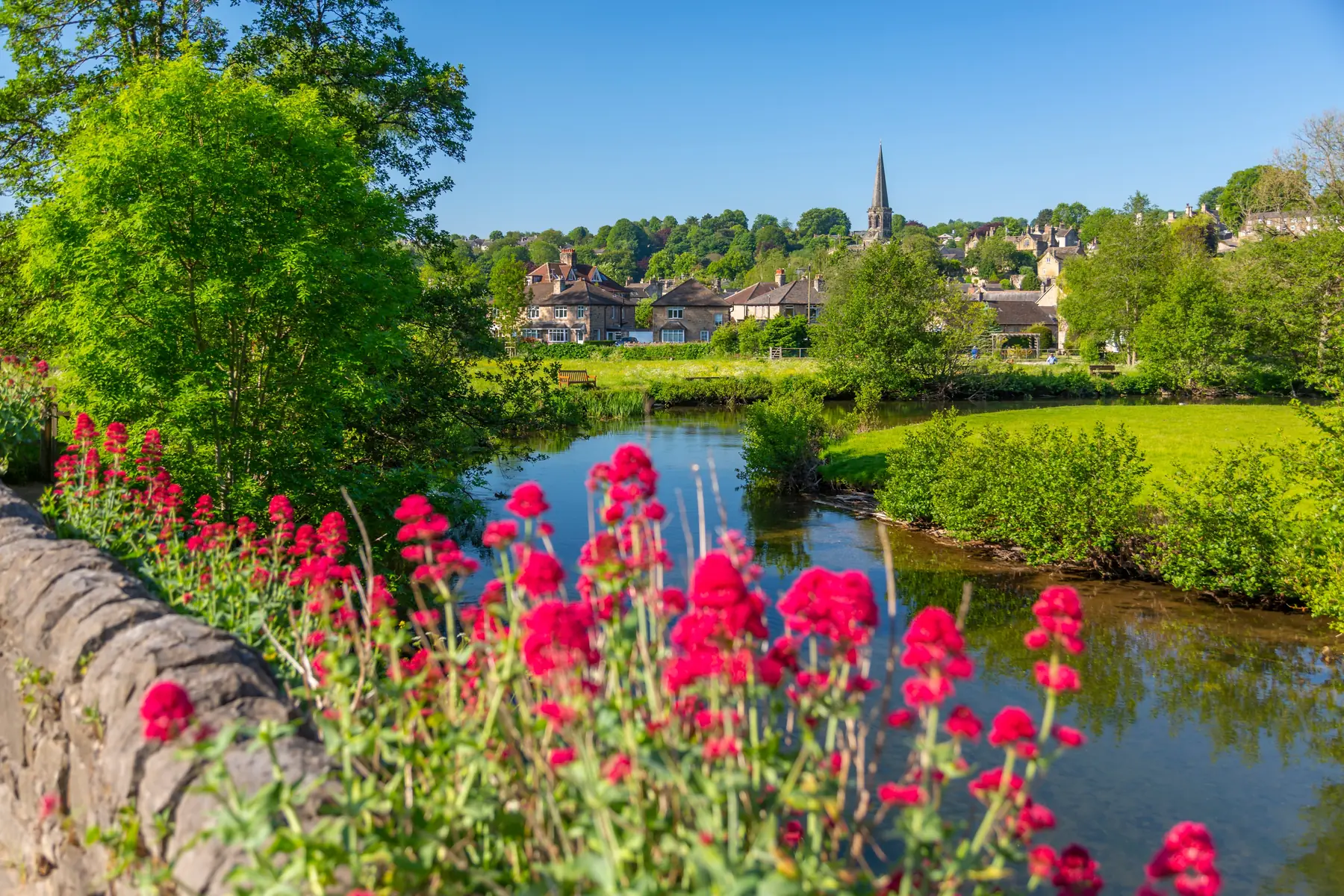
Bakewell is a market town on the River Wye in the Derbyshire Dales, 15 miles (24 km) south-west of Sheffield, and the only town inside the Peak District National Park, whose authority is headquartered here. The civil parish held 3,949 people at the 2011 census — the park’s largest settlement, and still small enough to walk end to end without planning it. The economy is a working market economy as much as a visitor one: a market on Mondays in the Market Place and Granby Road, a farmers’ market at the Agricultural Business Centre on the last Saturday of the month, and a trade in Bakewell pudding that several shops claim to have started. The two houses most people come to Derbyshire to see, Chatsworth and Haddon Hall, are both outside the town.
The Wye runs through the middle: shops on the west bank, the recreation ground and long-stay car parks across the river. The centre is Georgian and permanently full of cars, because there is no bypass — the A619 Baslow Road crosses on Bakewell Bridge, a medieval five-arch bridge still carrying traffic.
The two things to see in the town itself are both uphill from the shops. All Saints Church was founded in 920 and has two Saxon crosses in its churchyard; it rates 4.7 from 255 Google reviews. Behind it stands the Old House Museum, a yeoman’s house built in 1534 as a tithe collector’s dwelling, extended in 1549 as the tithe money came in, and later divided into cottages that housed Richard Arkwright’s mill workers. It rates 4.6 from 303 Google reviews and is easy to miss: a visitor in July 2026 wrote, “What a little gem of a place,tucked away from the town we saw the sign for it quite by accident. Go through the church and you miss the steep hill.” That route matters, because the climb is steep and the museum is, as a visitor in June 2026 put it, “not wheelchair accessible”.
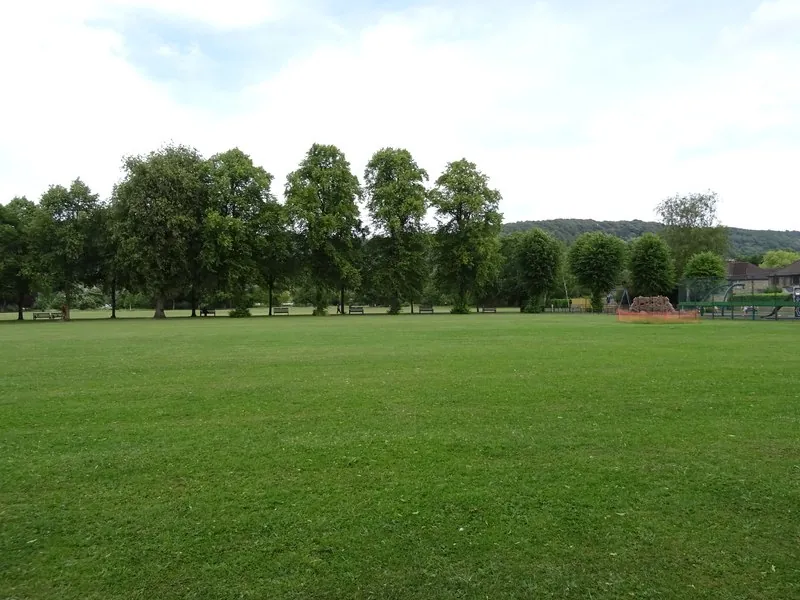
Bakewell Castle survives only as a faint earthwork on Castle Hill east of the river, a motte and bailey never rebuilt in stone. Beyond that the town is the riverside recreation ground — playground, splash area, cricket and tennis, 4.5 from 1,077 Google reviews — and the shops and cafés around the Square and Matlock Street, “full of a variety of shops, cafés and pubs as well as a lovely riverside walk”, as a visitor put it in July 2026.
Parking is what reviewers write about. Across 120 visitor reviews of the twelve attractions in and around the town, 36 mention parking, crowds or somewhere being busy, and 23 are specifically about parking. A visitor who came for the Old House Museum in July 2026 gave it two stars without seeing it: “I never got a chance to see it on account of I couldn’t get parked anywhere”. One at the recreation ground in September 2019 was more forgiving — “during peak times of the year it is difficult to get parked so with like any popular rural place a little patience is required”.
The long-stay options are across the river. The Agricultural Business Centre car park has 420 spaces and no height restriction; Bakewell Bridge car park on Coombs Road has 155 spaces, no height barrier and is open around the clock, with campervans limited to two nights. The other pinch point is the Monsal Trail car park at the old station, five minutes uphill from the centre, where a visitor in March 2025 found “Limited spaces so arrival early is advisable to get a space as it’s popular”. It is not uniformly grim: one in May 2026 found it “not too busy for a May Bank holiday”.
Half a day covers the centre honestly: the bridge, the Square, the church, the museum and the riverside. A visitor in August 2025 put the museum about ten minutes’ walk from the town centre, up the hill and through the churchyard.
A full day means adding something outside the shops. The Monsal Trail ends at Coombs Viaduct a mile south-east of the town and runs 8.5 miles (13.7 km) up the Wye valley to Topley Pike, on the trackbed of a railway closed in 1968. It is level and passes through six lit tunnels; a visitor in November 2021 walked the whole of it in just under four hours. Bikes are hired at Hassop Station, 1.9 km out and on the trail. Lathkill Dale is the alternative on foot: a limestone gorge with twelve Victorian trout weirs and the ruins of lead-mine pumping engines, and, in February 2026, “a great walk from Bakewell to here, such a picturesque trail”. A reviewer in April 2022 noted it is “very muddy in the winter”.
Two nights is what the halls need. Haddon Hall, a manor house of 11th-century origins with Tudor additions, rates 4.6 from 2,877 Google reviews; Chatsworth needs a day of its own. Neither is walkable from the town.
Distances are straight-line from the centre. Youlgreave is 4.4 km south, Stoney Middleton 7.0 km, Darley Dale 7.2 km, Eyam 7.8 km, Tideswell 9.6 km, Matlock 11.4 km, Hathersage 13.0 km, Matlock Bath 13.7 km and Cromford 13.8 km. Eyam is the one with the story — the village that isolated itself after plague arrived in 1665 — and its museum rates 4.5 from 1,293 Google reviews. Cromford has Arkwright’s mill.
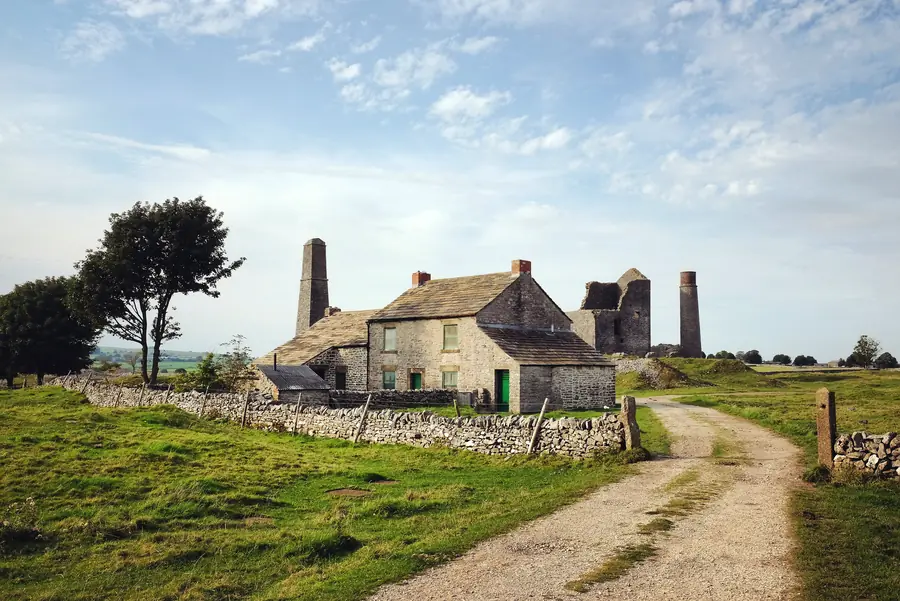
Closer in are the industrial oddities. Magpie Mine near Sheldon was the last working lead mine in Derbyshire, closing in 1958. A visitor in June 2026 set expectations fairly: “good for outing, do not expect much. Quite and calm farm type place.” Robin Hood’s Stride, a gritstone outcrop on the Limestone Way, draws boulderers; a visitor in July 2023 warned of “a hair-raising drive to get up here with lots of single-lane blind curves”.
Reaching any of it without a car takes planning. The railway through Bakewell closed in 1968, and there is no station now. The nearest served stations are Grindleford at 10.7 km and Matlock at 11.5 km, and no rail journey from London arrives without a change. Buses come in from Sheffield on the 218 and the slower 257, from Chesterfield on the 170, and from Derby via Matlock on the Transpeak TP1. Some 218s call at Chatsworth House on weekdays; all of them do at weekends. There is no bus station, and the stops are around the Square.
Tours, tickets and days out, from guided walks to full-day trips beyond Bakewell.
The most-visited sights in and around Bakewell.
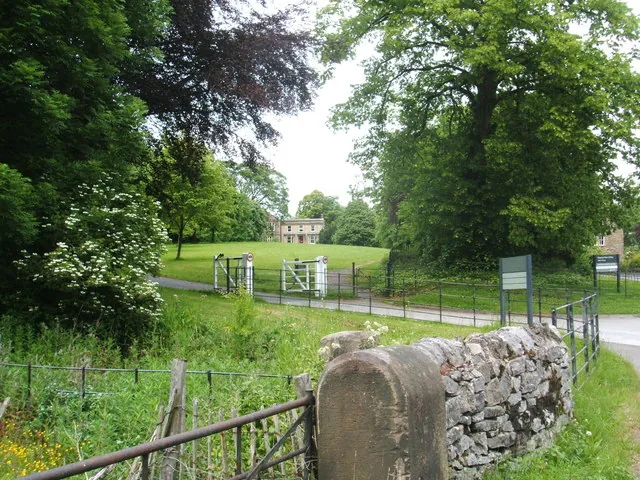
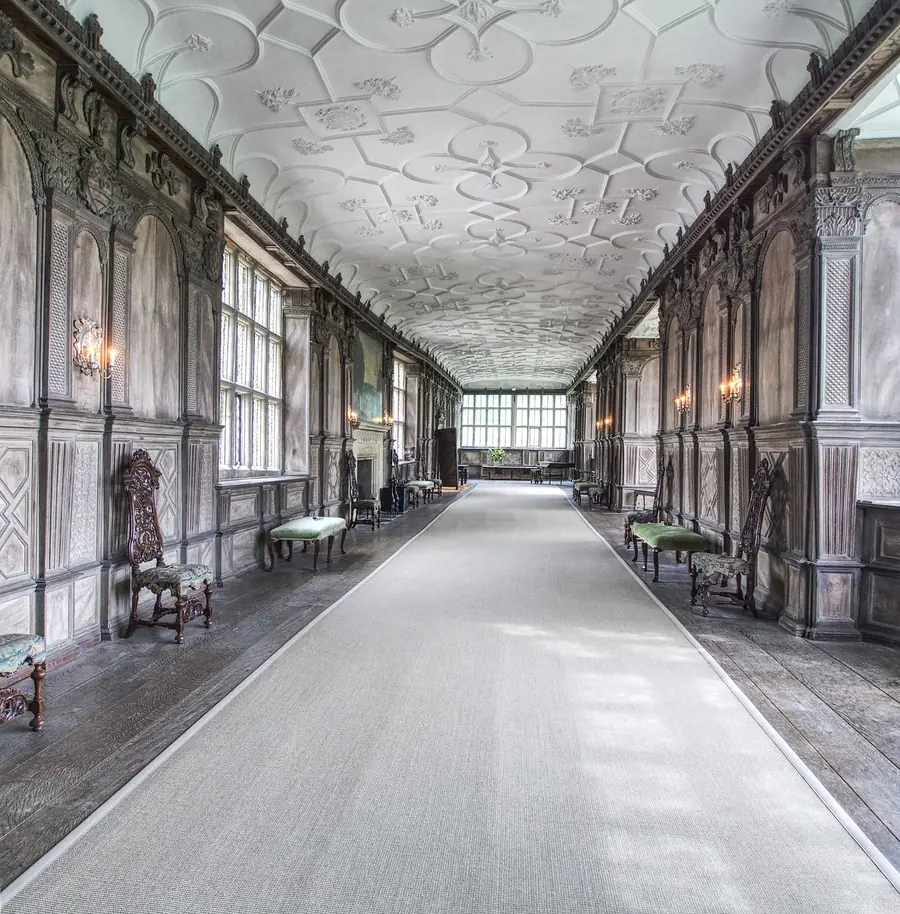
Haddon Hall is an English country house on the River Wye near Bakewell, Derbyshire, a former seat of the Dukes of Rutland.
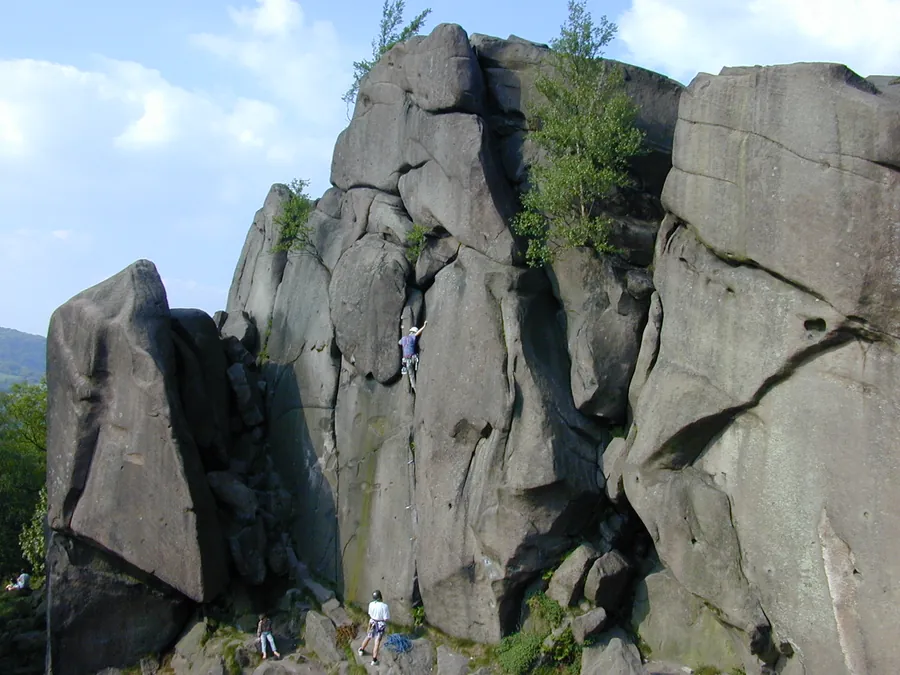
Black Rocks (or Stonnis Rocks), is a small outcrop of ashover gritstone, between Cromford and Wirksworth in Derbyshire, the Peak District, England.
Magpie Mine is a well-preserved disused lead mine near the village of Sheldon in Derbyshire, England, in the parish of Ashford in the Water.
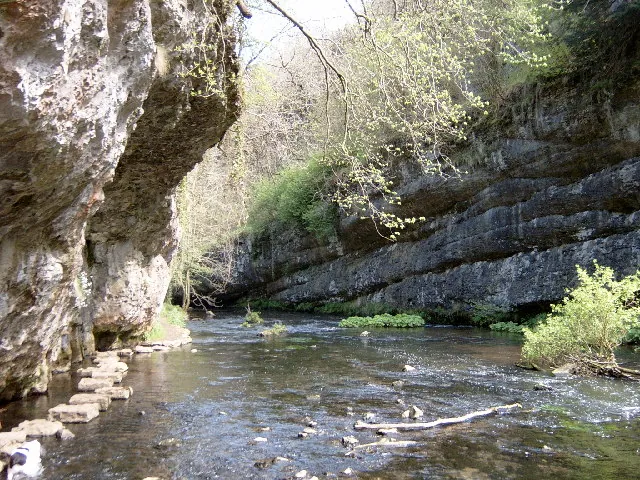
Chee Dale is a steep-sided gorge on the River Wye near Buxton, Derbyshire, in the Peak District of England. The Wye valley continues upstream towards…
The top sights on one map — and a sensible order to see them in.
The five-day forecast for Bakewell, updated through the day.
Wet days ahead? Ideas for Bakewell in the rain →
Forecast data from MET Norway (CC BY 4.0), summarised by day.
"Every fool in Buxton can be at Bakewell in half an hour, and every fool in Bakewell at Buxton." - John Ruskin objected to the coming of the railway in 1862.
Buxton is at the junction of A6 (the old London-Manchester-Carlisle coach road), A515 from the Midlands, and A537 from Cheshire. Gout-ridden Georgian gentlemen bumping along in their stagecoaches complained of the road congestion, and this historic feature has been preserved.
The railway closed in 1968 when Dr Beeching finally paid heed to Ruskin. Chesterfield is the nearest station, but Sheffield has more trains and better onward transport.
SY Bus 218 runs every 30 min from Sheffield Interchange, taking an hour via Baslow. M-F alternate buses run via Chatsworth House, Sa Su they all do. SY Bus 257 is a slower route hourly M-Sa from Sheffield, taking 90 min via Hope, Great Hucklow, Hathersage, Calver, Eyam and Baslow. Stagecoach Bus 170 runs from Chesterfield, taking a hour via Baslow and Chatsworth House. It's hourly M-Sa, every 2 hours on Sunday.
Written from what we found on the ground.
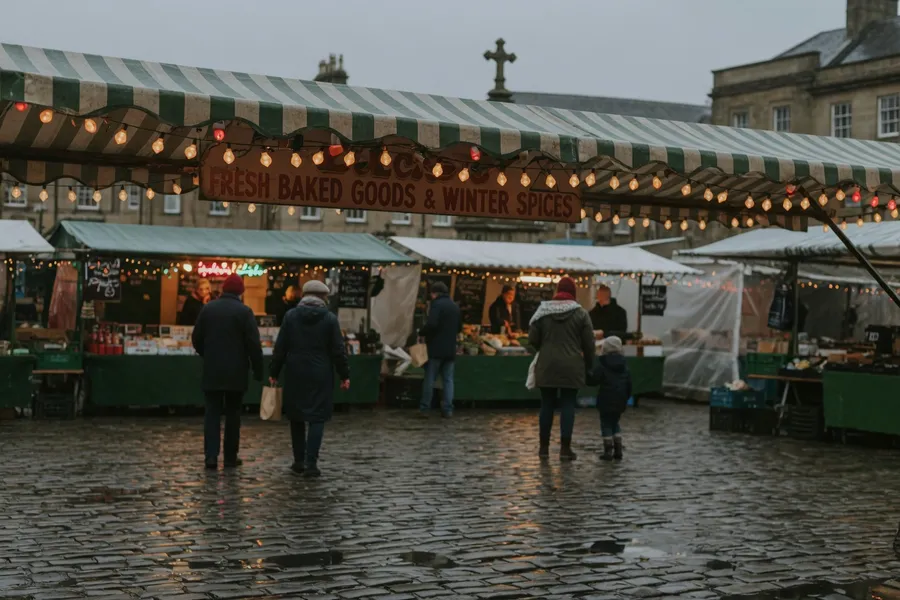 Bakewell Christmas Market 2026 Bakewell's Christmas season in one dated plan: the 14–15 November street market, Sparkle at the showground on 29 November, the first Monsal Tinsel Trail run, and the Tree Festival once its dates are confirmed. Read the guide →
 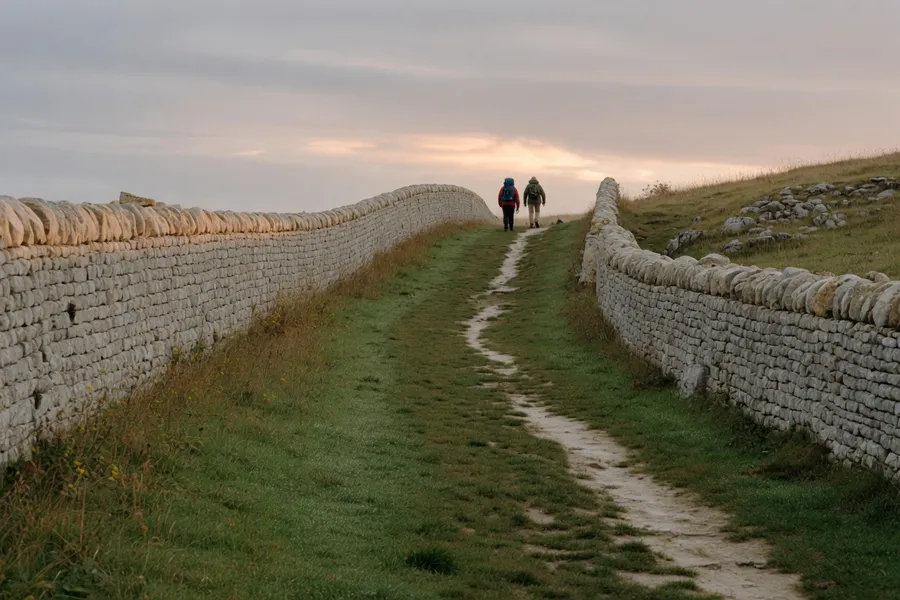 Bakewell on a budget A genuine cheap day in Bakewell: which bus ticket actually saves money, where all-day parking costs £6.60, free dale walking and viewpoints, and how to eat well without the pudding-shop spend. Read the guide →
 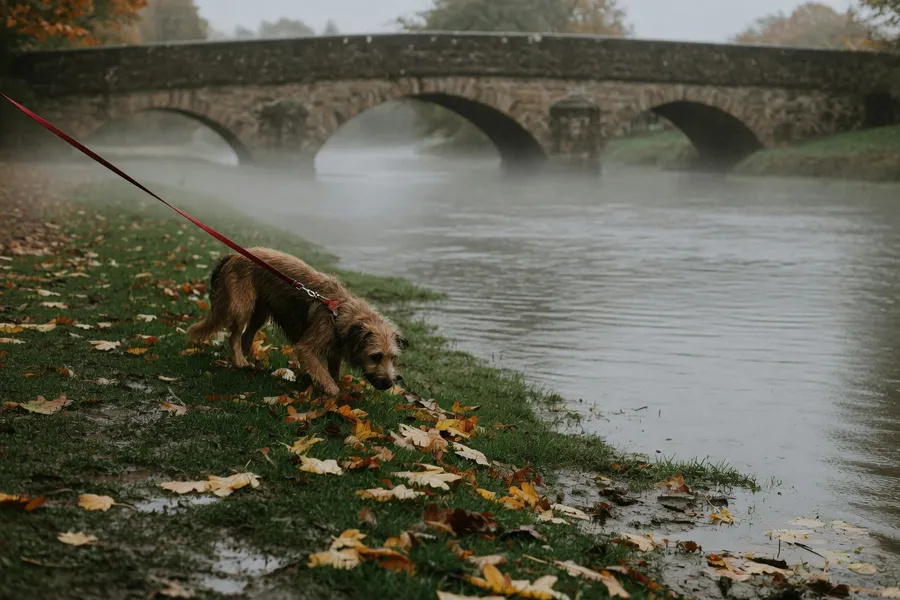 Dog-friendly Bakewell A practical guide to doing Bakewell with a dog — the Wye river walk and the Monsal Trail, Chatsworth's leaded parkland against Haddon's no-dogs rule, and which pubs really welcome a dog inside. Read the guide →
 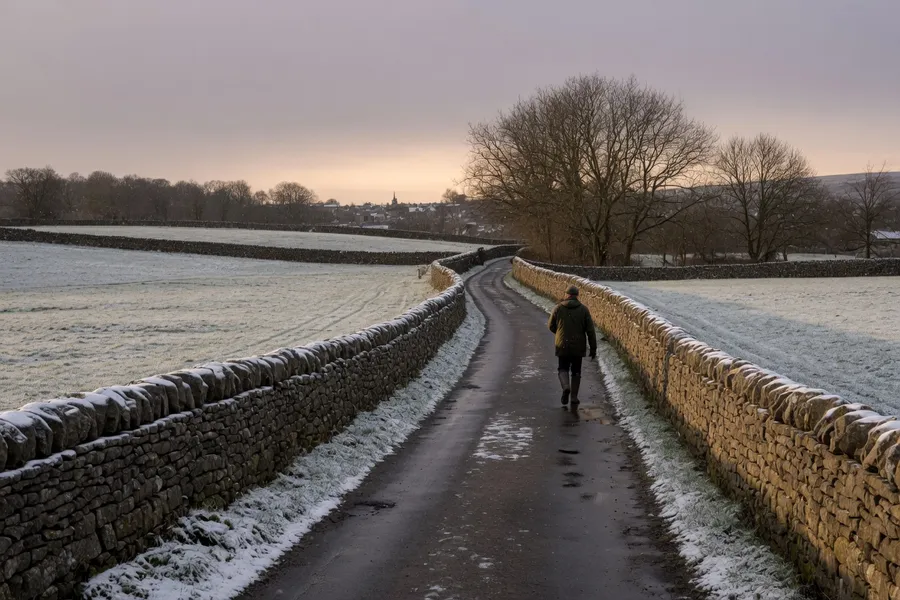 Bakewell in winter A winter planner for Bakewell — the Christmas markets, Chatsworth at Christmas, Haddon Hall's Mercatum, short walks in short daylight, and what closes for the season. Read the guide →
 Guides, ideas and planning help for your visit, from the editors.
Read the guides